Who is Nuchem Dyestuffs,
and what does the company make?
Nuchem Dyestuffs (P) Ltd. manufactures high-quality COTFIX® reactive dyes for cotton, viscose and other cellulosic fibres at two plants in Gujarat, India.
Buyers can compare the range, review the published quality-control and water-treatment information, and request the documents for a selected grade.
Agents and distributors can discuss a COTFIX partnership with Nuchem; product suitability and chemical-input approval are separate checks.
The promoters of Nuchem Dyestuffs (P) Ltd. have been in the dye business since the 1960s. In 1996, they established their first manufacturing plant at Vatva, Ahmedabad, under the name Nuchem Industries; the business was later converted to Nuchem Dyestuffs (P) Ltd.
Founded in the 1960s by the late Sh. Kishori Lall Goyal, supplying reactive dyes and textile auxiliaries to the dyeing industry in Ludhiana.
First manufacturing plant established at Vatva, Ahmedabad, under the name Nuchem Industries; the business was later converted to Nuchem Dyestuffs (P) Ltd.
The published history records the Saykha facility expansion in 2017.
COTFIX reactive-dye manufacturing continues at Saykha and Vatva.
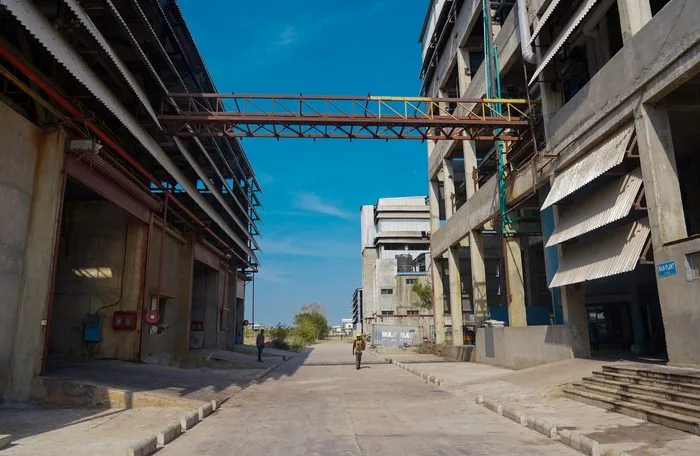
Unit 1 — Saykha, Bharuch
State-of-the-art plant · in-house intermediates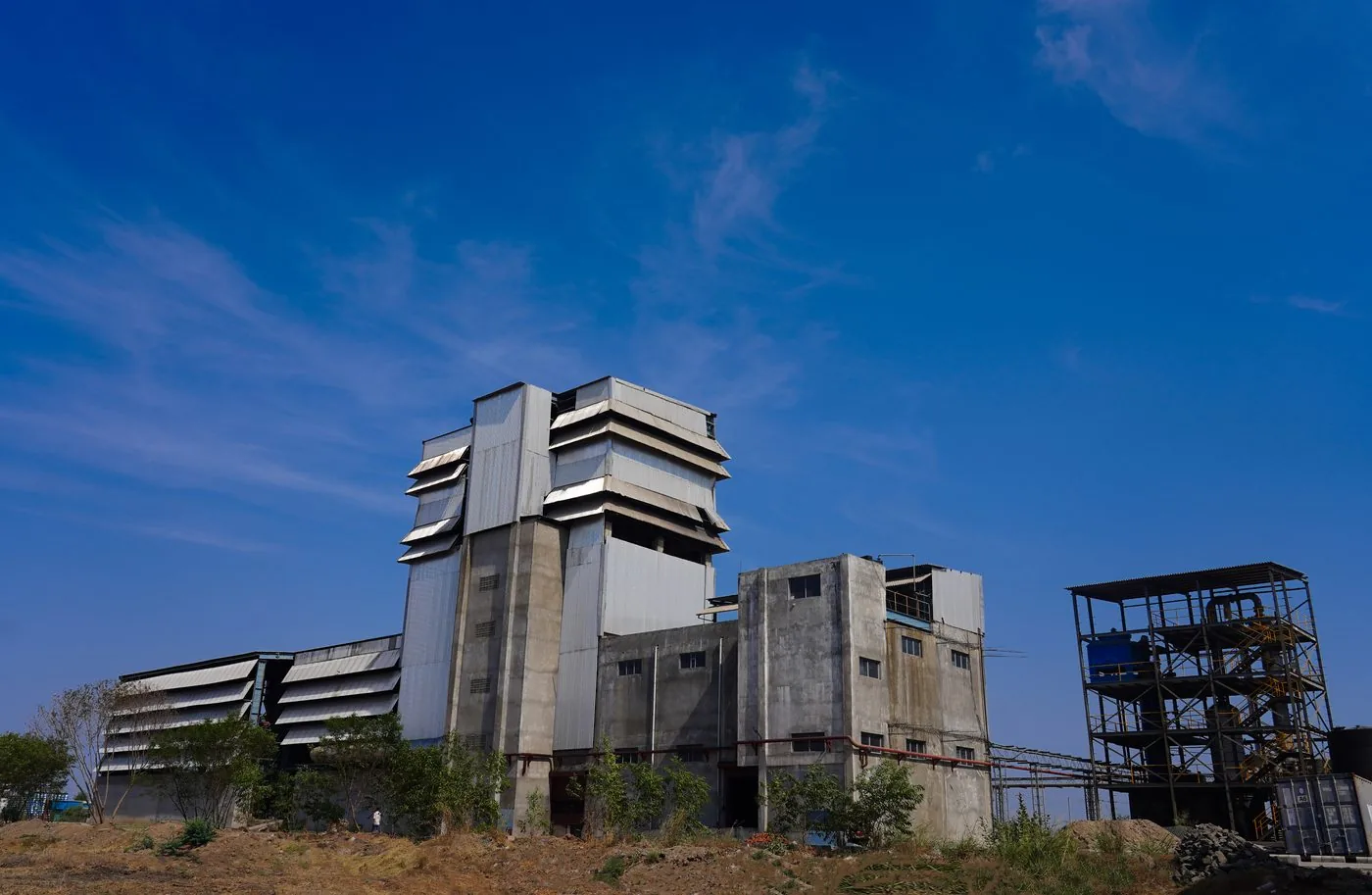
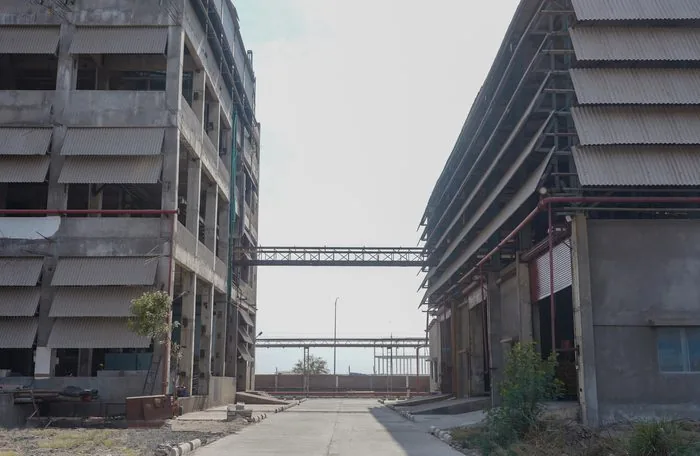
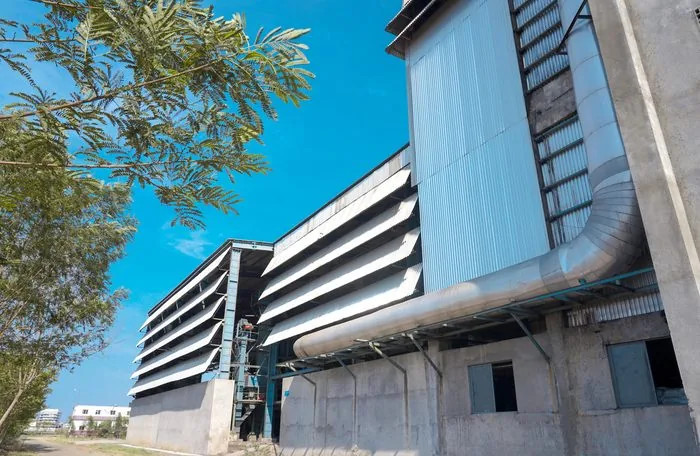
Unit 2 — Vatva, Ahmedabad
GIDC Vatva · Phase II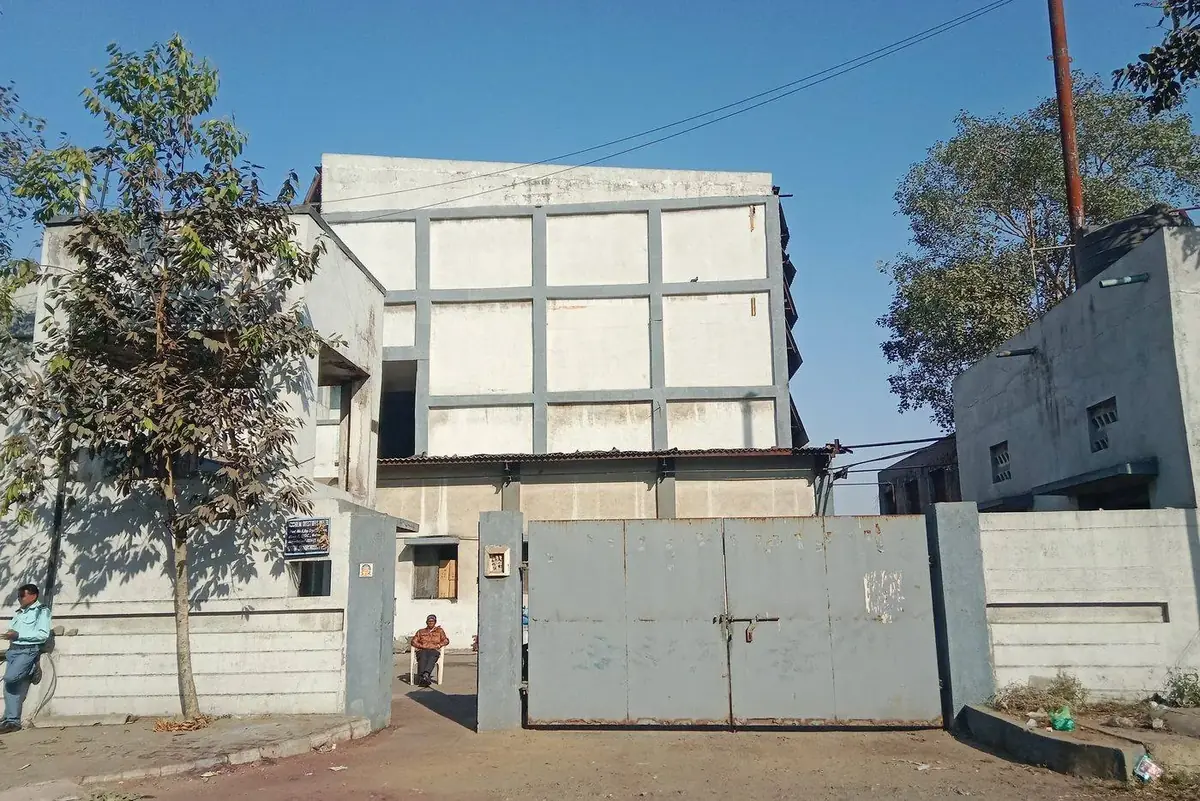
Eight series. Compare dyeing & printing applications.
VS Series
Sulphoethyl sulphone dyes that form covalent bonds with cellulose. Suited to exhaust, cold pad batch, continuous and printing.
- Better solubility and alkali stability
- Excellent fastness; warm dyeing process
- Wide blacks and navy; large dischargeable selection
- Exhaust, CPB, continuous and printing
ME Bifunctional Series
Lower-temperature, high-exhaustion dyes for exhaust, cold pad batch and continuous application.
- Broad shade gamut
- Good build-up for deeper shades
- Good wash fastness and reproducibility
- Mixes with VS dyes for vibrant shades
HE Series
Bis-monochlorotriazine dyes designed for high fixation in exhaust dyeing at 80–95°C.
- High exhaustion and fixation efficiency
- Better build-up behaviour
- Shade consistency for yarn and fabric
- Yarn and fabric dyeing
RGB Series
High-performance dyes exhibiting one-tone build-up, suitable for warm dyeing and padding application.
- Better probability of metameric matches
- Exhaust, cold pad batch and continuous
- Higher strength, good build-up
D Series
Deep shades across four published grades, each with individual fastness values.
- Compare D Series with RR for lighter shades
- Dosage savings are not assumed without defined trials
RR Series
Chemically modified dyes for very light and medium shades with good all-round fastness.
- Selected for light and medium shade windows
- Good all-round fastness properties
Blacks
Six Reactive Blacks with grade-specific solubility, fastness and dischargeability data.
- Black B appears in the VS catalogue
- Black PN appears in H/P Printing
- Select by named grade, not an assumed tone
H/P Printing Series
Monochlorotriazine dyes with high alkali stability for prolonged printing and steaming times.
- Vibrant dark prints
- Mixable with VS dyes
- All-round fastness
- High substantivity, low reactive character
More detail: compare all eight series and the full catalogue table.
How does Nuchem treat wastewater
from reactive-dye manufacturing?
Nuchem publishes a wastewater-treatment approach combining reverse osmosis, Mechanical Vapour Recompression and an Agitated Thin Film Dryer.
A two-stage reverse-osmosis plant recovers water ahead of evaporation, and the MVR and ATFD units then concentrate and dry the remaining process stream at the Saykha and Vatva sites in Gujarat.
The sequence is published for both sites, and current site evidence is available on request.
- Two-stage R/O — water recovery ahead of evaporation
- MVR — Mechanical Vapour Recompression; ATFD — Agitated Thin Film Dryer
- Green belt at the Saykha site
The published material describes the equipment and recovery sequence rather than a fixed performance guarantee.
Capacity and current operating figures are confirmed for each site on request.
Nuchem also describes a green belt at Saykha and publishes product-level approval evidence separately. Screening and approval scopes vary by product and strength variant.


More detail: read the wastewater-treatment and site-evidence page.
How does Nuchem check and trace reactive-dye lots?
Shade and strength are read on a Datacolor 750 spectrophotometer. HPLC covers chemical analysis; a Laundrometer, Crockmeter and light fastness tester cover washing, rubbing and fading, and the same benches serve Ahmedabad, Ludhiana, Saykha and Vatva.
Nuchem lists four QC laboratories at the Ahmedabad head office, the Ludhiana regional office, and the Saykha and Vatva factories in Gujarat. QC means quality control, and the published summary does not confirm every lot passes through all four.
The published tables report solubility at 30°C plus dry and wet rubbing, light and washing fastness across 58 catalogue rows and 57 trade names.
A lot is approved only within ΔE 1 of the standard, at 98–102 per cent colour strength, and grade 4 or better staining.
Compare the named row, then confirm the checks for the chosen grade.
Inside our laboratories
Four published QC laboratory locations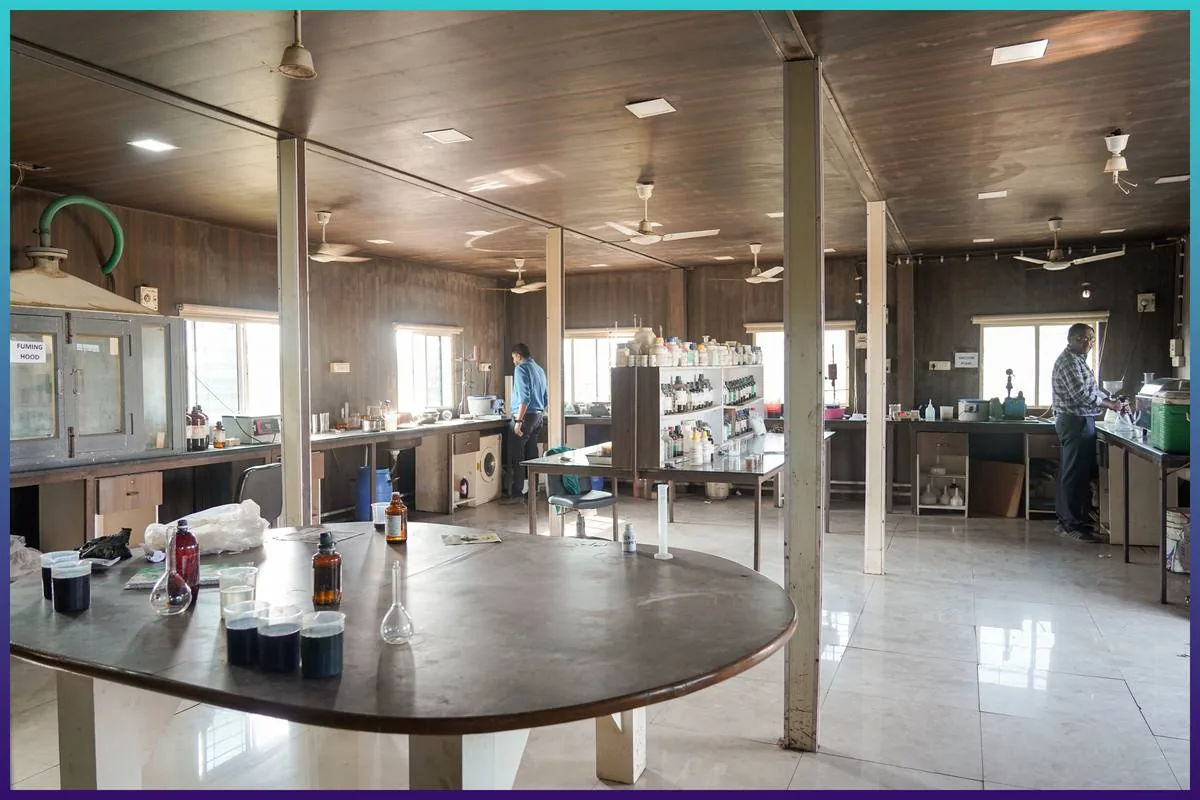
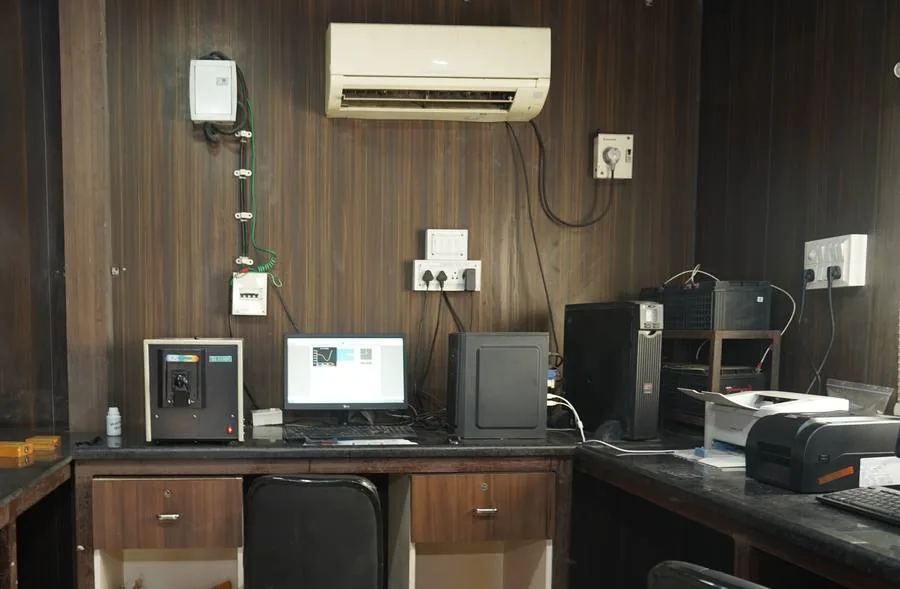
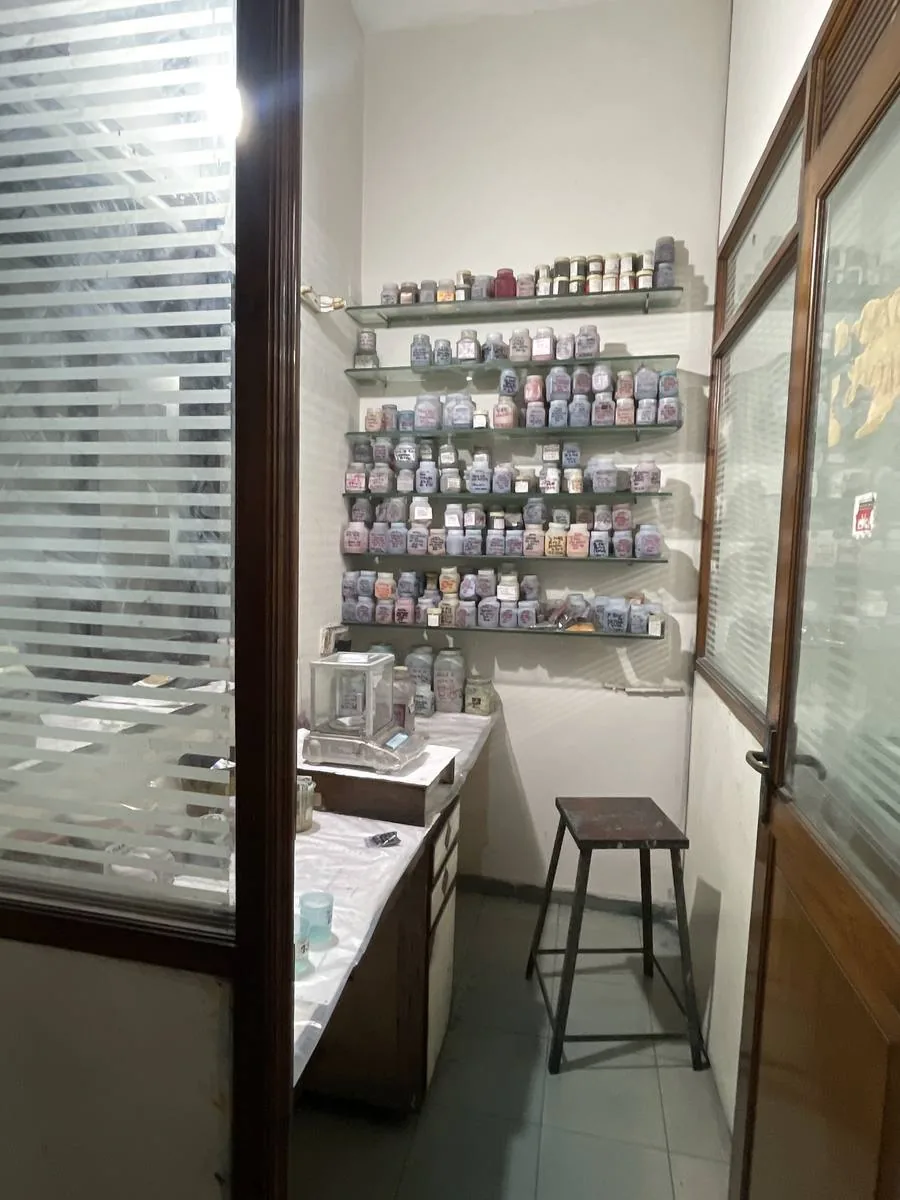
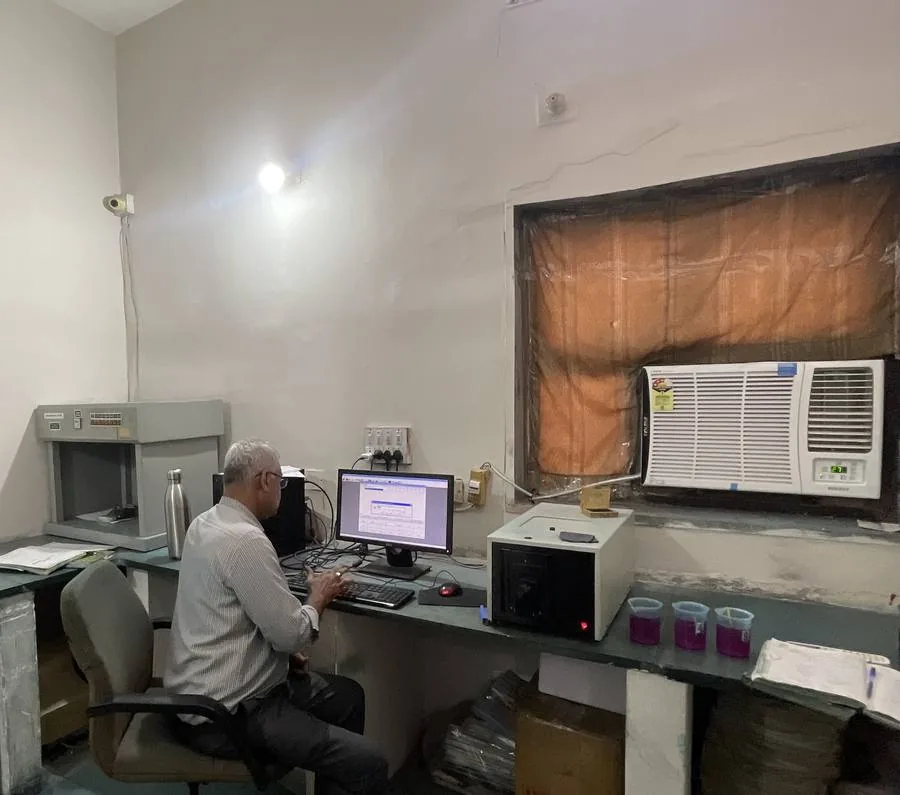
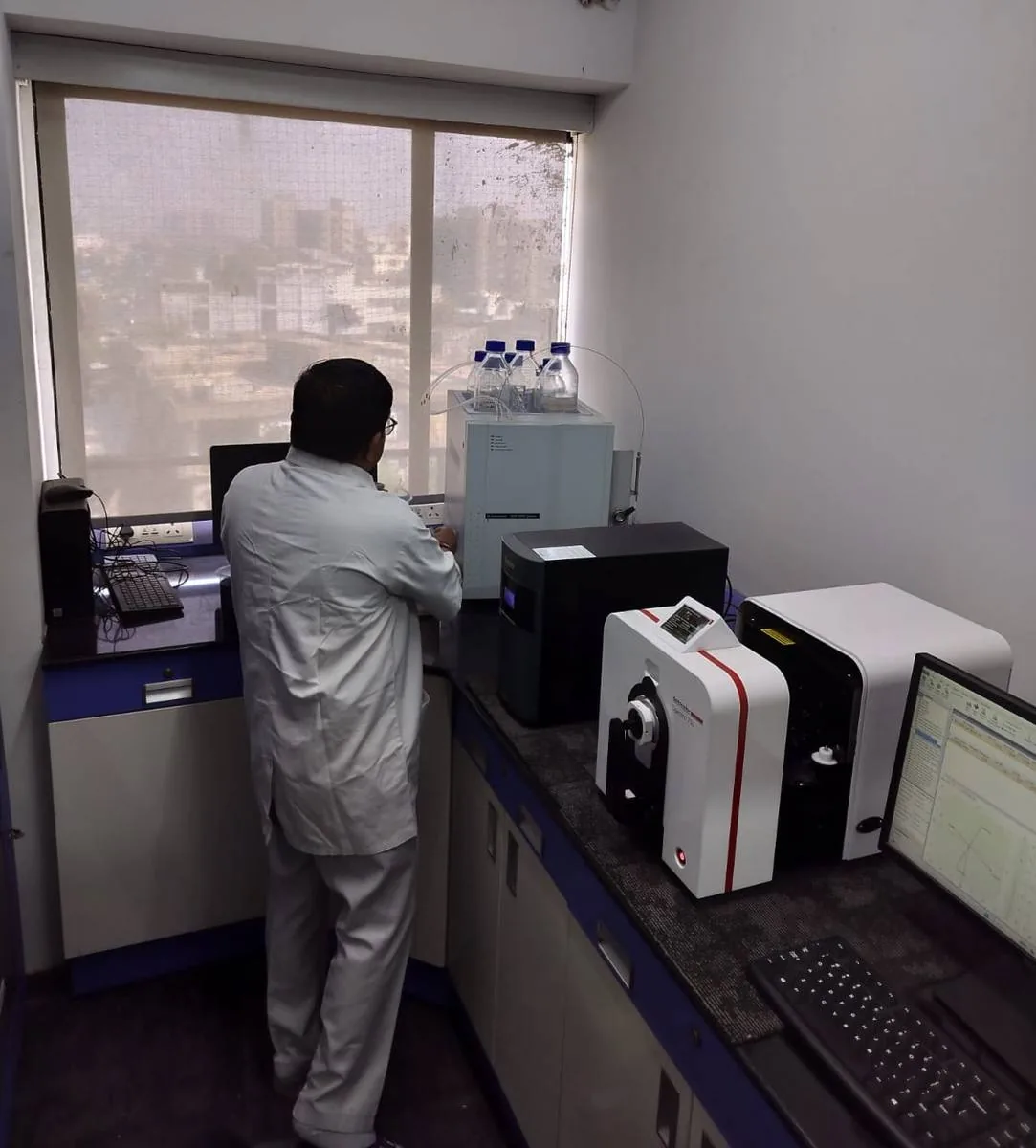
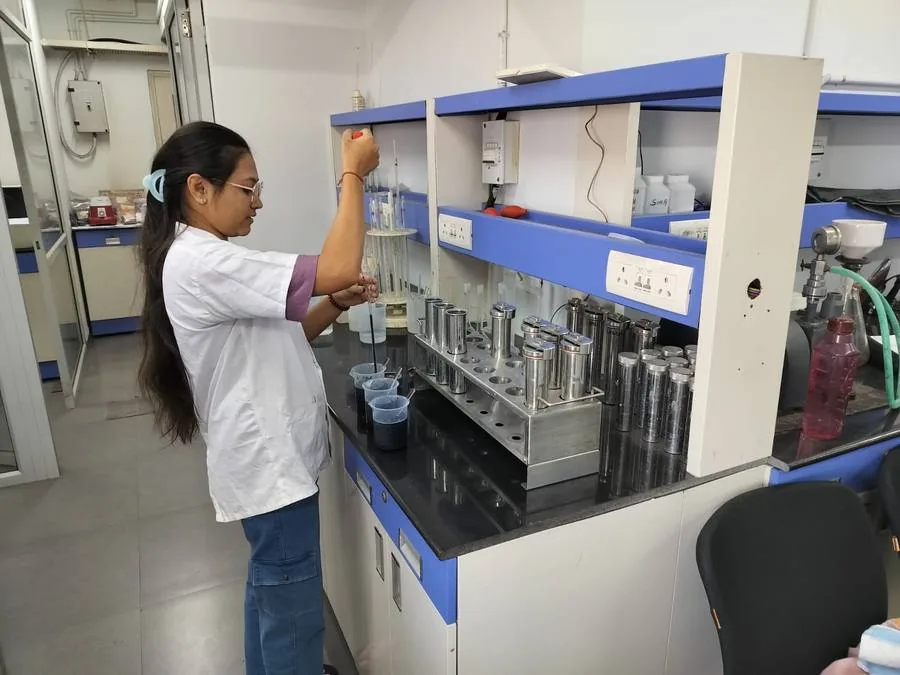
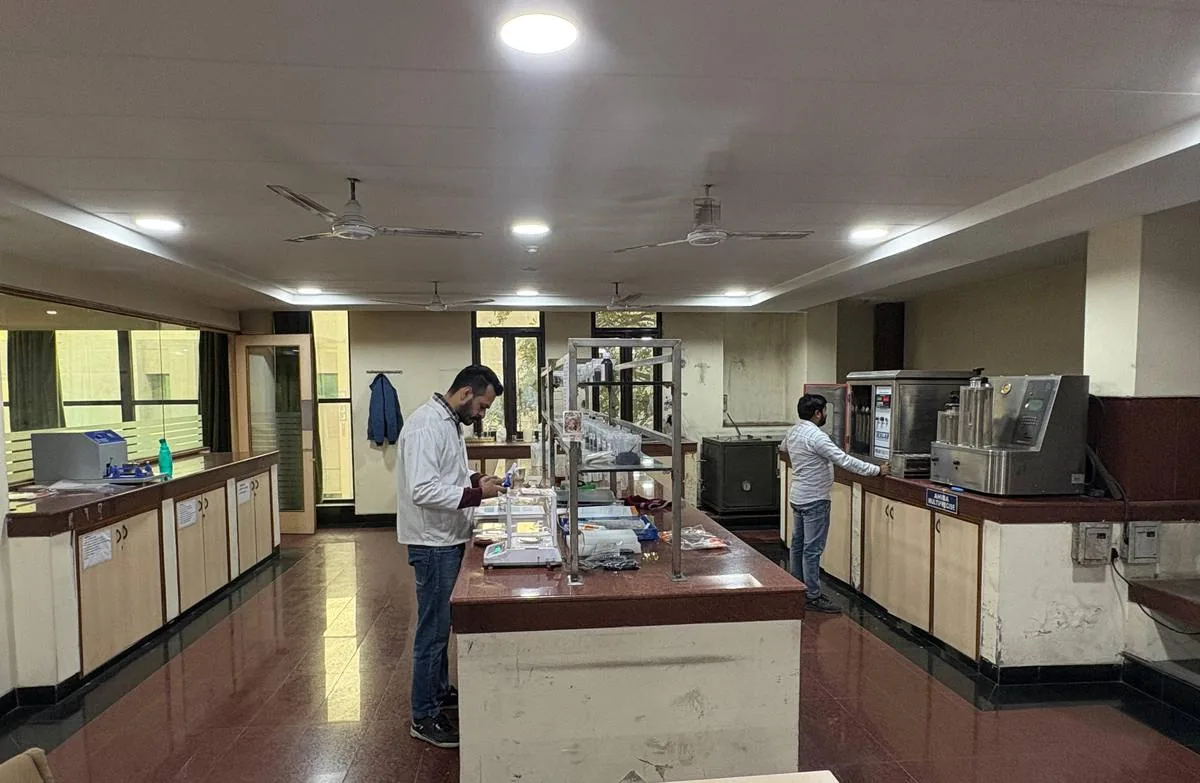
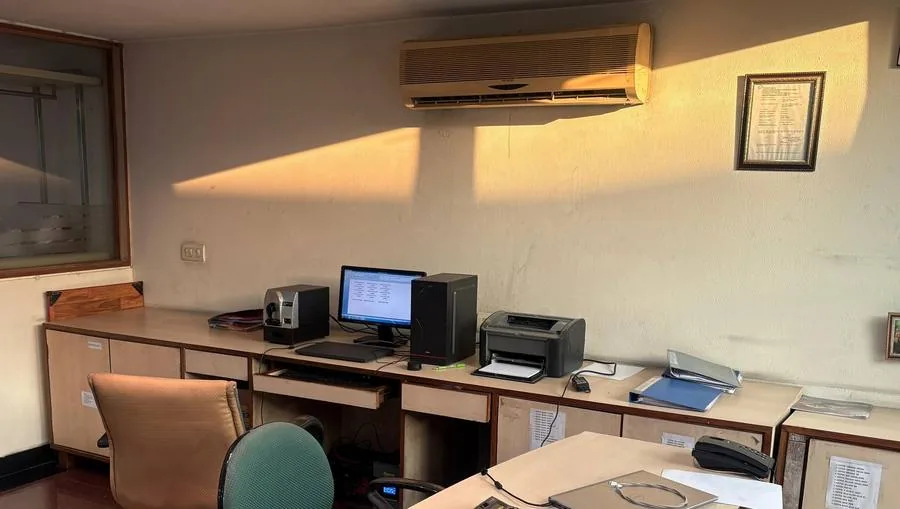
More detail: review the laboratory and lot-traceability evidence.
Which approvals cover
Nuchem COTFIX reactive dyes?
Check the named products and dated evidence below. Scheme coverage differs between catalogue grades, and chemical-input approval is not finished-textile certification; review the verification routes and product-specific limits.
The official GOTS database lists 24 named COTFIX colourants, checked on 29 September 2026 under Control Union, GOTS v7.0 and 3 June 2024. Saved approval reference: GOTS-C 810113-01-2024; confirm the exact grade and conditions before use.
Certificate 21.0.64039 (Hohenstein), category 2.6 Reactive dyes, covers 55 COTFIX reactive dyes. RSL screening covers STANDARD 100, STeP MRSL, LEATHER STANDARD and REACH SVHC.
The 28 September 2026 Gateway check verified 34 active COTFIX reactive dyes at Control Union Level 3. ChemCheck Summary Report (6 September 2026) lists 25 products as a dated snapshot; Organisation ID 01-78PRG39LX323-D.
The 55 named ECO PASSPORT products carry dated RSL/MRSL and REACH SVHC screening evidence. Applicable lists, conditions and safety data remain product-specific.
Which textile clusters,
and which export markets, does Nuchem serve?
Reactive-dye supply for cotton and cellulosic processing in Surat, Tirupur, Panipat, Jetpur, Pali-Balotra, Jaipur, Delhi, Kolkata and Ludhiana. Buyers in each cluster can compare eight COTFIX series, review grade-level fastness tables and request documents for a selected grade.
Grade-specific solubility and fastness values are published for 58 catalogue rows.
Exports reach Bangladesh, Turkey, Indonesia, Thailand, Vietnam, Sri Lanka, Egypt and Uzbekistan, together with Europe and North and South America. Marketing coverage does not establish an appointed distributor or an open exclusive territory, and current territories, roles and support are confirmed individually with each partner.
Export documentation and current territories are confirmed with each buyer before shipment, and terms are quoted per order.
Partnership enquiries are reviewed against the proposed territory, textile applications and COTFIX ranges, and no market is reserved by an enquiry. More detail: distribution and agency partnerships.
How do I request a COTFIX
quote, sample or shade match?
Request a quote, sample, shade match, shade card or partnership conversation by including your grade, process and document requirements in the enquiry form.
Nuchem handles domestic and export enquiries for COTFIX® reactive dyes, from the Ahmedabad head office, the Saykha and Vatva plants and the Ludhiana regional office.
- State the target shade, substrate and dyeing or printing process.
- Name any buyer scheme the order must satisfy.
- For export orders, note the destination market and required documents.
- Include the quantity and packing preference so a quotation can be prepared.
Quotes, samples and shade matches are prepared for the named grade and process. Product suitability, chemical-input approval and finished-textile certification remain separate checks for every order.
Written requests sent through the form reach the sales team directly, and shade cards are available on request. Sales contacts and current sample availability are confirmed individually.
Plot 6, Phase II, GIDC Vatva, Ahmedabad 382445